Journal
Drop Off Catering or Full Service, Which One Your Event Actually Needs
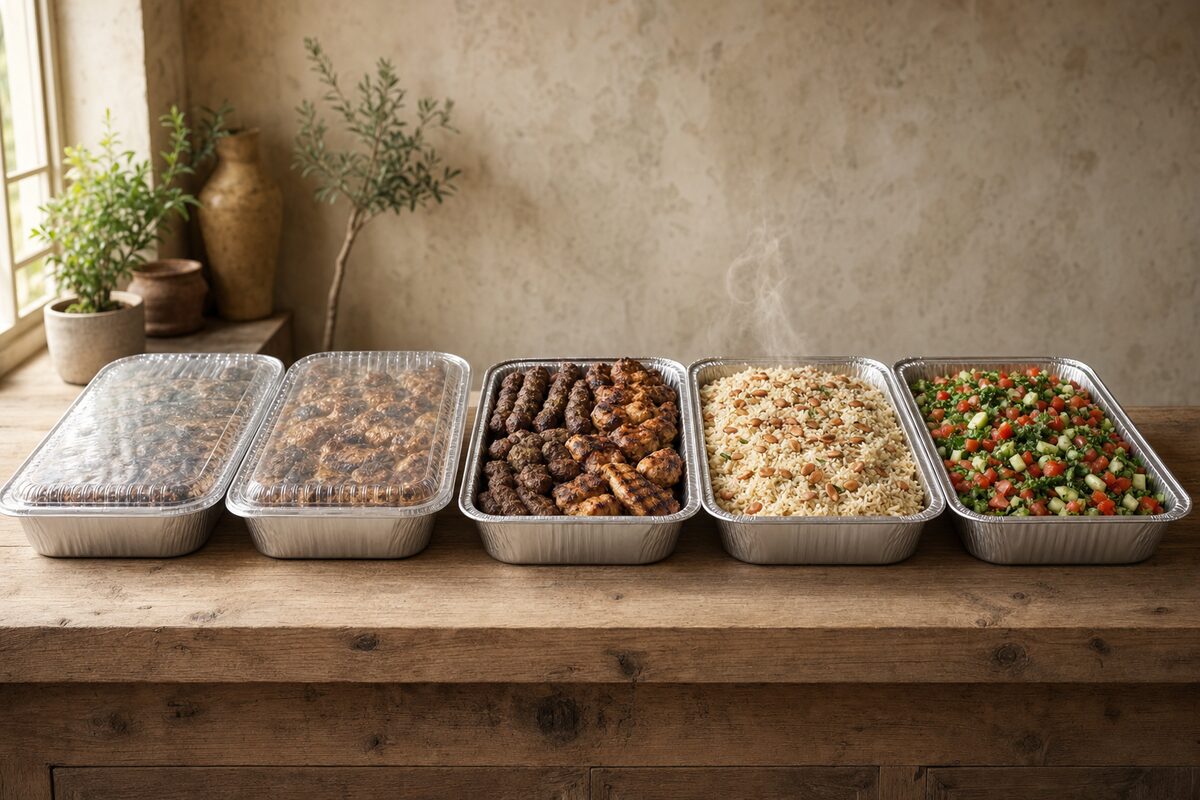
Drop off catering means we prepare the food, pack it ready to serve, and deliver it so you can set it out yourself. Full service means the catering team also sets up, tends the food and often cleans up. The difference is how much you want to handle on the day, and it usually comes down to the size and venue of your event.
Most people planning their first event do not know these words yet, and that is completely normal. This post walks through the common styles so you can tell us what you need, and then covers the community hall questions almost nobody explains.
What are the main catering styles?
There is no single “catering”. It comes in a few shapes, and each one asks something different of you as the host.
- Drop off (or platter and tray service). We cook, we pack it on trays or platters, and we deliver. You put it out and serve. This is the simplest and most flexible option for smaller and mid sized gatherings.
- Buffet with setup. The food arrives and gets laid out on a serving table, often with hot food kept warm over chafing dishes so guests can help themselves. Some of the setting up happens for you.
- Full service with staff. People are there to set up, keep the food topped up and safe, sometimes plate or serve, and clear away after. This suits large or more formal events where you do not want to lift a finger.
Which one is right is less about fancy and more about how many hands you have on the day and how long the food needs to sit out.
Which catering style suits which event?
A rough guide, so you can picture your own event:
- Small home party. Drop off is usually plenty. You already have a kitchen, plates and a table, so trays of food and a few dips is all you need.
- Workplace lunch. Drop off shines here. Food arrives, people help themselves between meetings, and nobody has to host.
- Community hall event. This is the one that needs a little thought, because a hall is not a home kitchen. More on that below.
- Wedding or large formal event. The bigger and longer the event, the more setup and staffing help earns its place, so the food stays hot, safe and topped up while you enjoy the day.
If you are not sure where your event lands, tell us the headcount, the venue and how long people will be eating, and we can talk it through.
What should you know about community halls?
Community halls in Abbotsford, Mission and around the Fraser Valley are wonderful for church events, celebrations of life and big family gatherings. The catch is that many halls have a serving kitchen, not a full commercial one, and some have barely a counter and a sink. That changes how the food arrives and how it is kept.
When there is no cooking kitchen on site, hot food is prepared in a proper kitchen and then held hot for serving. That is what a chafing dish is for. It is a metal frame that holds a food pan above a small burner, usually a can of sterno gel, with a little water underneath to spread gentle heat. It keeps cooked food hot on a table without a stove. Cold dishes like tabouli or dips stay cold, often over ice.
The plain food safety idea behind all of this: keep hot food hot and cold food cold. Food that sits for a long time at room temperature is where trouble starts, so hot holding and cold holding matter more the longer your event runs.
What should you ask your hall before booking?
A quick call to whoever manages the hall answers most of it. Ask:
- Is there kitchen access, and is it a real kitchen or just a serving area with a sink?
- Are tables provided for a buffet, and how many?
- Is there power near the serving area, and are open flames like sterno allowed?
- What time can we get in to set up, and by when must everything be cleared out?
- Is there fridge space, hot water, and somewhere to handle garbage and recycling?
The cleanup time one catches people out. Halls often have a hard end time, so knowing it early shapes whether drop off or a fuller setup makes sense.
Why should the food come from a commercial kitchen?
One thing worth understanding: in British Columbia, food served to the public at events like hall gatherings and church functions is generally expected to be prepared in an approved commercial kitchen rather than someone’s home kitchen. The rules exist so food is handled safely from cooking to serving. If you want the specifics for your event and venue, your local health authority is the right place to confirm, since they oversee this.
The short version for you as a host: catered food should come from a kitchen set up and approved for it, which is one less thing for you to worry about on the day.
Let us help you pick
Tell us the headcount, the venue and roughly how long guests will be eating, and we will point you to drop off or something more hands on. Have a look at the full menu, see how much food per person you might need, check which cities we deliver to, and when you are ready, get in touch to order so we can sort out the details together. If you are catering a gathering, our Middle Eastern catering guide is a good next read.
Frequently asked questions
What is drop off catering?
Drop off catering means the kitchen cooks the food, packs it on trays or platters ready to serve, and delivers it to you. You set it out and serve it yourself. It is the simplest and most flexible option for home parties, office lunches and mid sized gatherings.
What is the difference between drop off and full service catering?
Drop off ends at your door: the food arrives ready and you handle the rest. Full service adds people who set up the table, keep food hot and topped up, and often clear away afterwards. The right choice comes down to headcount, venue, and how long the food needs to sit out.
Is drop off catering cheaper than full service?
Generally yes, because you are not paying for staff on the day, but the honest answer depends on your event. A long event in a hall with no kitchen may genuinely need hot holding and extra hands, while a home party rarely does. Tell us the headcount and venue when you call and we will point you to the format that actually fits.
What is a chafing dish and do I need one?
A chafing dish is a metal frame that holds a food pan over a small burner, with a little water underneath to spread gentle heat, so cooked food stays hot on a table without a stove. You need one when hot food will sit out for a while in a venue without a kitchen, like many community halls. For a short lunch or a home gathering, you usually do not.
Can you serve home cooked food at a community hall in BC?
Generally, food served to the public at hall events and church functions in British Columbia is expected to come from an approved commercial kitchen, not a home kitchen. The rules exist so food is handled safely from cooking through serving. Your local health authority can confirm the specifics for your venue and event.
Salma’s Kitchen cooks Armenian and Middle Eastern food in Abbotsford, BC. See the menu, our catering service areas, or how to order. Phone only: (819) 743-5953.